AC Leaking Water Inside the House: What It Means
Water pooling around your air handler usually means a clogged condensate drain, a frozen coil, or a cracked drain pan. Here's how to tell which one it is.
Water dripping from your air handler means condensate is escaping somewhere it shouldn't, and in most Greenville homes it points to one of four things: a clogged drain line, a frozen evaporator coil, a cracked drain pan, or a refrigerant leak that's icing the coil. None of them fix themselves, and all of them get more expensive the longer you wait. The good news is that the location of the water tells you a lot about which one you're dealing with. Below we walk through what each pattern means, what it costs to fix in 2026, and when it's time to call us.
What an AC Water Leak Actually Means
An AC leaking water inside the house is a condensate-management failure - the system is still making cold air, but the water it pulls out of your indoor air is no longer making it to the drain. Your air conditioner removes somewhere between 5 and 20 gallons of moisture a day during a Texas summer. That water has to go somewhere. When it can't reach the outside drain, it pools under the unit, soaks into drywall, or drips through a ceiling.
It's worth separating this from a refrigerant problem. A refrigerant leak makes the coil cold enough to freeze, and the ice melts into the same puddle. Same symptom, different repair. That's why we always check both the drain and the coil pressure before quoting a fix.
If you're seeing water and the system is also struggling to cool, the two problems are almost always connected. We cover that pattern in more detail on our AC leaking water Greenville TX page, which walks through the full diagnostic sequence our technicians run on every call.
Why Does My AC Leak Water Inside the House?
Water inside the house means the condensate has found a path that bypasses the drain line - usually because the drain is blocked, the pan has failed, or the coil is producing ice that melts faster than the drain can carry it away.
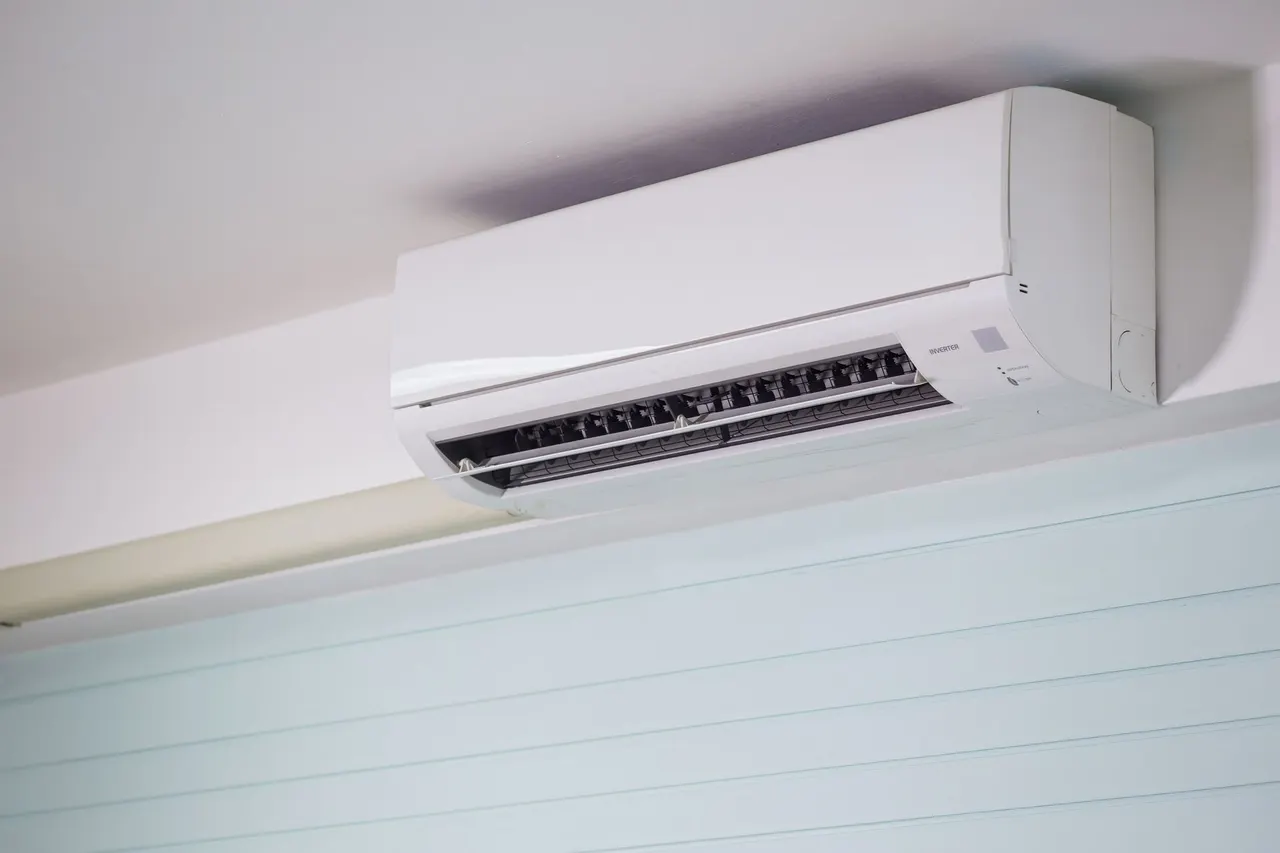
Here's the short version of how the system is supposed to work. Warm air passes over the cold evaporator coil. Moisture in that air condenses on the coil, drips into a sloped drain pan, and flows out through a PVC condensate line to a drain or pump. Any break in that chain puts water on your floor.
Greenville sits in a humid pocket of Northeast Texas, and our summers run 95 to 105 degrees with dew points in the 70s. That's a lot of moisture for a drain line to handle. Add a few years of dust, algae, and cottonwood debris, and a half-inch PVC line can close down to a trickle. When it does, the pan overflows within hours.
The Four Most Common Causes in Greenville Homes
In our experience across Hunt County, roughly 7 out of 10 indoor AC water leaks trace back to a clogged condensate drain - the other three split between frozen coils, failed pans, and refrigerant issues.
1. Clogged Condensate Drain Line
Algae and biofilm grow in the standing water inside the drain line, especially in attics that hit 130 degrees in July. The line slowly closes off, the pan fills, and water spills over the edge. You'll usually see it as a slow drip that gets worse over a week or two.
The fix is a drain line flush with a wet-vac and a nitrogen blow-out. We also pour a pan treatment tablet in to slow regrowth. Most clogs clear in under an hour.
2. Frozen Evaporator Coil
If the coil is iced over, the water you're seeing is meltwater. A frozen coil almost always means low refrigerant charge or restricted airflow from a dirty filter. The ice blocks the drain path, then melts all at once when the system cycles off.
You can spot this one by looking at the copper lines entering the air handler - if they're frosted white, the coil is frozen. Turn the system off at the thermostat and let it thaw before running it again. Running a frozen system is how compressors die.
3. Cracked or Rusted Drain Pan
Older units in Downtown Greenville and the West End often have galvanized steel pans that have rusted through at the seams. Once a pan cracks, no amount of drain cleaning helps - the water is leaking through the pan itself. We replace these with UV-resistant plastic pans sized to the coil.
4. Refrigerant Leak Icing the Coil
A slow refrigerant leak drops coil pressure and temperature until the coil runs below freezing. Ice forms, then melts into the pan faster than the drain can handle. This one needs a leak search and repair, not just a drain flush. We use electronic leak detectors and nitrogen pressure tests to find the source.
How Much Does AC Water Leak Repair Cost in 2026?
Typical 2026 pricing in the Greenville area runs $150 to $350 for a drain line clog, $400 to $900 for a frozen coil repair that includes a refrigerant top-off, and $600 to $1,400 for a drain pan replacement depending on pan size and attic access.
A refrigerant leak search and repair is the wild card. If the leak is at a Schrader valve or flare fitting, you're looking at the low end. If it's in the evaporator coil itself, replacement usually makes more sense than a repair, and that's a bigger conversation.
We quote the price before we start, and we don't charge a diagnostic fee if you approve the repair on the same visit. You can see the full breakdown of what we charge for common repairs on our AC repair cost Greenville TX page.
What to Watch Out For
The biggest mistake we see is homeowners treating a water leak as a cosmetic problem - putting a bucket under the drip and moving on. Water in an attic or closet causes mold within 48 hours and rots the subfloor under a closet air handler within a season.
Other things that cost people money:
- Running the system with a frozen coil. The compressor pulls liquid refrigerant instead of gas and can seize. That turns a $300 repair into a $2,000 replacement.
- Pouring bleach down the drain line. It kills the algae but corrodes the PVC fittings and the pan. Use a pan tablet or call us for a proper flush.
- Ignoring a slow drip for weeks. By the time the ceiling stains appear, you're looking at drywall and insulation replacement on top of the HVAC repair.
- Replacing the pan without fixing the drain. If the drain is still clogged, the new pan overflows just like the old one.
One more thing: if your air handler sits in a hot attic, the secondary drain pan and float switch matter. A float switch shuts the system off before the pan overflows. If yours is missing or bypassed, that's a cheap fix that prevents the next flood.
When to Call a Professional
Call us when you see water and any of the following: the system is still running but not cooling, the copper lines are frosted, the water reappears within a day of you clearing the drain, or the pan itself is cracked. Those four signals mean the problem is beyond a shop-vac fix.
Greenville CoolCraft handles residential and light commercial AC repair across Hunt County. We carry drain pans, float switches, and refrigerant on the truck, so most leaks are a one-visit fix. If your system is older and this is the third leak this year, we'll tell you straight whether a repair still makes sense or whether it's time to look at replacement.
For homes with aging equipment, we also do a full inspection that covers the coil, drain, pan, and electrical components. You can read about that service on our residential AC Repair Greenville TX page.
Frequently Asked Questions
Is it safe to run my AC if it's leaking water inside?
No. Turn it off at the thermostat. Running a unit with a clogged drain or frozen coil can flood your ceiling and damage the compressor. A frozen coil especially should be thawed before the system runs again - usually 2 to 4 hours with the fan on.
How much does it cost to fix an AC water leak in Greenville?
Most drain line clogs run $150 to $350 in 2026. Frozen coil repairs with a refrigerant top-off run $400 to $900. Drain pan replacements run $600 to $1,400 depending on access and pan size. We quote before we start.
Why is my AC leaking water but still cooling?
A clogged drain line is the usual answer. The system is still making cold air, but the condensate can't reach the outside drain, so it overflows the pan. It's the most common leak we see and the cheapest to fix - usually under an hour.
Can I just put a bucket under the leak and wait?
No. Water in an attic or closet causes mold within 48 hours and rots subfloor and drywall within a season. The bucket catches the drip you can see, not the water soaking into the structure behind it. Call for a repair the same day you notice it.
How often should I have my condensate drain cleaned?
Once a year in Northeast Texas, ideally in late spring before the heavy cooling season. Homes with cottonwood trees nearby or attic air handlers may need it twice. A $15 pan tablet every 3 months slows algae growth between cleanings.
Get Help With AC Repair in Greenville
Water inside the house is a same-day problem, not a next-week problem. Our technicians find the source, fix the drain or coil, and test the line before we leave - most jobs are done in a single visit.
Call Greenville CoolCraft at (903) 304-5500 and we'll get someone out to stop the leak before it reaches your ceiling.